5975 3811 book now

Keyhole (Laparoscopic) Surgery at Mornington Vet Clinic

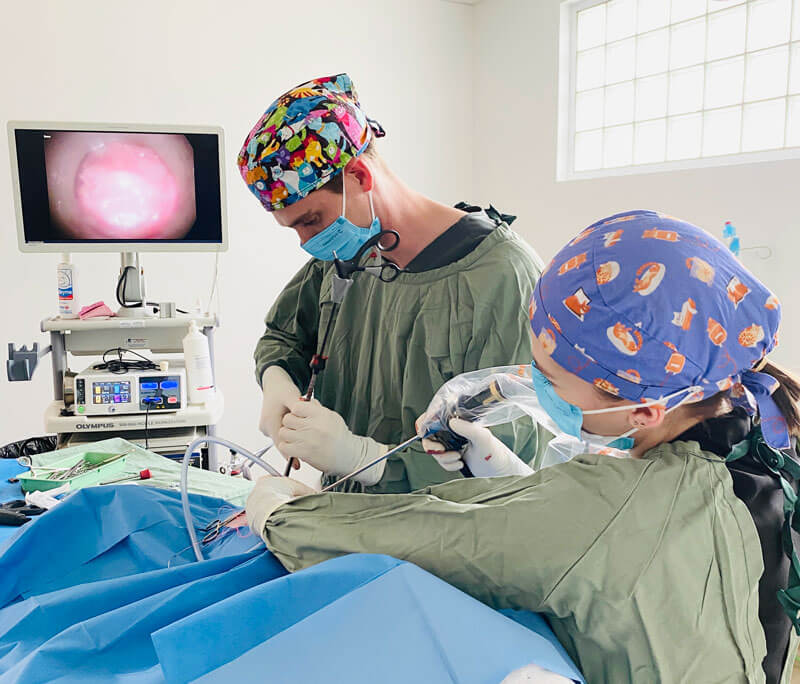
We are proud to offer advanced laparoscopic surgery right here at Mornington Vet Clinic, ensuring our local community has access to the gentlest, most precise veterinary technology available. All of our specialized keyhole procedures are performed by Dr James Martin and Dr Adam Stefani, who bring extensive surgical expertise and compassionate care to every patient.

What is Keyhole Surgery?

Laparoscopy, more commonly known as keyhole surgery, is a minimally invasive approach to surgery that is widely considered the gold standard in modern veterinary medicine. Instead of utilising larger incisions to gain internal access, surgical procedures are performed using tiny 1cm incisions (“keyholes”), acting as entry points for specialized non-invasive tools and a high-definition camera. With a view of magnified internal organs on a monitor, the surgeon can locate tissues and perform surgeries in a highly controlled, precise manner, while significantly minimizing tissue trauma.

What Are the Benefits of Keyhole Surgery?

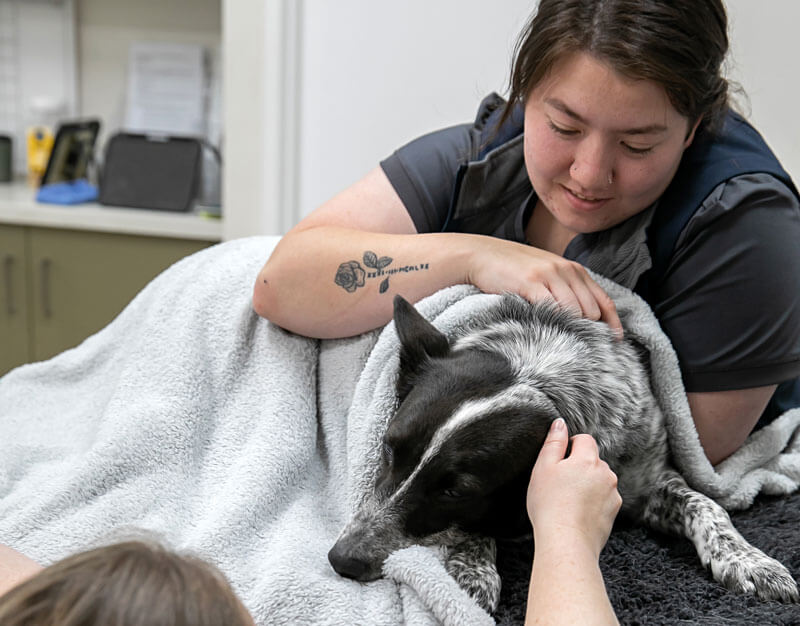
By transitioning from traditional "open" surgery to advanced laparoscopy, your pet experiences substantially less surgical stress and a significantly smoother healing journey. The proven benefits include:
  • Less Post-Operative Pain: Minimally invasive entry means no manual tearing or heavy pulling of internal ligaments.
  • Fewer Post-Operative Complications: Greater precision results in vastly reduced risks compared to traditional methods.
  • Decreased Risk of Bleeding: High-definition magnification allows the surgeon to cauterize and seal vessels with extreme accuracy.
  • Smaller Wounds & Minimal Scarring: Smaller incisions require fewer stitches and heal beautifully.
  • Reduced Rate of Infection: Smaller entry points mean less exposure to external contaminants.
  • Less Medication Required: Pets typically require fewer post-operative painkillers due to minimal tissue trauma.
  • Faster Recovery: Your companion will be back on their feet and returning to normal activities days sooner.

What Keyhole Procedures Do We Perform?

Surgical Desexing (Spay and Cryptorchid Castration)

  • Spay: A laparoscopic ovariectomy (LOVE spay) is an advanced alternative to a standard spay. Unlike traditional spays that remove both the ovaries and the uterus, a LOVE spay removes only the ovaries. This significantly shortens surgical time, minimizes internal trauma, and provides a much more comfortable recovery.
  • Cryptorchidism: In some male dogs, one or both testicles fail to descend into the scrotum, remaining trapped near the kidneys or within the abdomen. Because these retained testicles can be difficult to locate traditionally, we utilize the high-visibility camera of keyhole surgery to quickly find and safely remove them, preventing future health risks with minimal downtime.

Laparoscopic Assisted Gastropexy

This is a vital preventative procedure commonly performed in deep-chested breeds (such as Great Danes, Standard Poodles, Boxers, or German Shepherds) to protect them from Gastric Dilation and Volvulus (GDV). GDV is a life-threatening emergency where the stomach fills with gas and twists, cutting off critical blood supply. A gastropexy permanently attaches the stomach to the abdominal wall, effectively preventing this fatal rotation. Utilizing laparoscopy turns this complex operation into a gentle, highly precise, and fast-healing preventative measure.

Internal Biopsies

When a pet has an underlying internal illness, we often need to analyze a tissue sample at a microscopic level. By performing organ biopsies through laparoscopic keyhole surgery, we obtain highly accurate diagnostic samples from organs like the liver or kidneys while causing minimal disturbance to the surrounding structures. These samples are then quickly sent to a specialist pathologist for an accurate diagnosis.

How Much Does Keyhole Surgery Cost?

While keyhole surgery utilizes highly specialized equipment and advanced surgical training, we are committed to keeping this superior standard of care transparent and accessible for Mornington pet owners.

ProcedurePrice
Surgical desexing (spay & cryptorchid)$1,400
Laparoscopic assisted gastropexy$2,200
BiopsiesVaries – heavily dependent on what tissue and why


Need a precise quote for your pet? Every pet is unique. If you would like an exact price estimate tailored to your pet's specific age, breed, or case requirements, please contact our team.
How Long Does it Take to Recover from Keyhole Surgery?

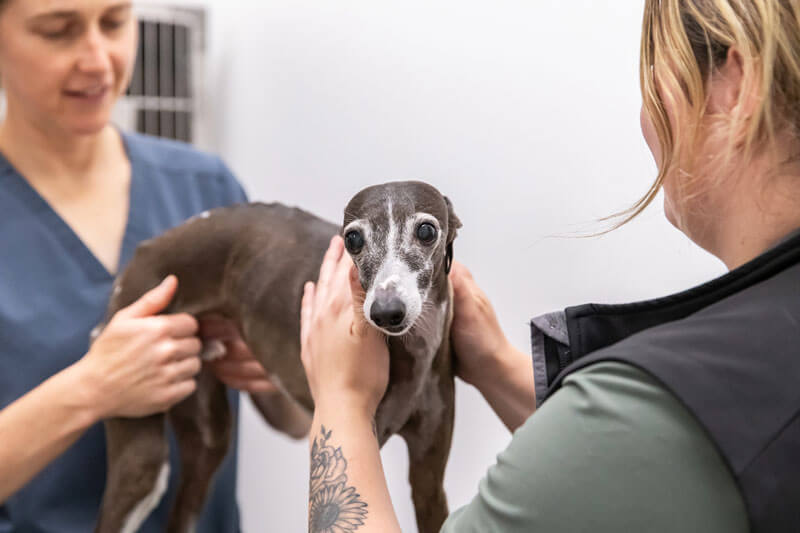
Because tissue trauma is kept to an absolute minimum, recovery from laparoscopy is remarkably quick compared to traditional ‘open’ surgeries, which often require weeks of strict confinement.

  • Surgical Desexing: Most pets are bright, alert, and feeling like themselves by the very next day. We recommend just 2 to 3 days of calm, post-operative lead rest to let the skin incisions close completely before they return to running and playing.
  • Laparoscopic Assisted Gastropexy: Because the stomach is securely tacked to the body wall, pets require a slightly more careful rest period of about 5 to 7 days of restricted activity (no running, jumping, or rough play) to ensure optimal internal bonding, though their external discomfort remains minimal.
  • Internal Biopsies: Recovery from the keyhole entry itself takes only 2 to 3 days. However, your pet's overall recovery plan will be guided by the underlying medical condition that prompted the need for this procedure.


Ready to give your pet a faster, more comfortable recovery? 📞 Give us a call on 5975 3811 to speak with our friendly staff, or secure your spot instantly online:

Click Here to Book Your Appointment Online Now

Frequently Asked Questions

Yes. Just like traditional surgery, keyhole surgery requires the patient to be completely asleep, relaxed, and pain-free. While general anesthesia is always necessary, a major advantage of laparoscopy is that the procedure is often much quicker, meaning your pet spends less time under anesthesia. They also typically experience a smoother, faster anesthetic wake-up.
Laparoscopic surgery is more expensive due to the advanced technology and training required. The procedure relies on a high-definition medical camera tower, specialized monitors, light sources, gas insufflators, and advanced vessel-sealing technology. Additionally, veterinarians must undergo advanced specialized training to master the technique. Most pet owners find the extra cost is heavily outweighed by the reduction in pain and much shorter recovery time.
Safety is always the top priority. If a veterinarian encounters a complication during keyhole surgery - such as unexpected internal bleeding that cannot be easily managed with laparoscopic tools, or poor visibility inside the abdomen- they will immediately ‘convert’ the procedure into a traditional open surgery. A larger incision is made so the surgeon can finish the operation manually and safely, ensuring no long-term negative consequences for your pet.

Procedure times vary depending on the type of surgery – it is important to note that these times represent the procedure only, they do not include induction, set up, or recovery.

  • Desexing (spay or cryptorchid castration): approx. 30-60 minutes
  • Gastropexy: approx. 45-90 minutes
  • Biopsies: approx. 30-60 minutes

Not always. While many pets are good candidates, suitability depends on:

  • The type of procedure needed
  • Your pet’s size and anatomy
  • Existing health conditions
  • Whether previous surgeries or complications are present

Your veterinarian will assess your pet and recommend the best surgical approach for their individual needs.

  • Restricted activity for a short period (usually a few days)
  • Monitoring of the incision sites for redness or swelling
  • Monitoring and prevention of licking at the incision sites (cone or surgical suit may be required)
  • Post-operative appointments as directed by your veterinarian

If you still have questions, check out these articles to learn more:

  1. Desexing: Laparoscopic vs. Traditional Spay
  2. Post-surgery at-home aftercare for dog desexing
  3. Pros and cons of dog sterilization
chevron-down
